Energy & Commodities

Brent à 114 $ : le diesel russe peut-il vraiment calmer le marché ?
Le Brent touche 114,72 $, plus haut depuis mai. Le diesel russe promis aux États-Unis suffira-t-il à calmer le marché ? Analyse chiffrée.
Photo by Matthew Henry on Unsplash

Ormuz : l'Arctique et Panama absorbent les flux énergétiques détournés
Fermeture d'Ormuz : la route du Nord russe et le canal de Panama captent les flux énergétiques détournés. Chiffres, mécanismes et limites.
Photo by Alex Pagliuca on Unsplash
Gaz européen : quelques points d'entrée portent tout, et vacillent
Les flux gaziers vers l'Allemagne chutent de près de 70 % en un jour sur deux points clés. Analyse de la fragilité des entrées et du dossier Jackdaw.
Photo by Matthew Henry on Unsplash
Gaz : les flux se concentrent au nord-ouest, la mer du Nord en première ligne
Flux gaziers des 16-17 octobre : la façade nord-ouest domine, les routes orientales sont à zéro. Jackdaw et la mer du Nord en perspective.
Photo by Matthew Henry on Unsplash
Gaz : les flux norvégiens vers l'Allemagne chutent de deux tiers en un jour
Le 17 octobre, le flux gazier Norpipe à Emden chute d'environ 68 % en un jour et entraîne les sorties vers l'Autriche et l'Italie.
Photo by Matthew Henry on Unsplash
Jackdaw : un petit champ gazier pour une grande dépendance
Jackdaw approuvé en mer du Nord : un gain réel mais limité (6% au pic) face à un gaz britannique dépendant de la Norvège (40%) et du GNL (20%).
Photo by Matthew Henry on Unsplash
Solaire : la transition se joue désormais dans l'entretien
Records d'installations solaires en Australie, stockage et recyclage : pourquoi la maintenance et le cycle de vie deviennent le nerf de la transition.
Photo by Matthew Henry on Unsplash

Gaz en Allemagne : un réseau suspendu au nord-ouest alors qu'Ormuz tend le GNL
Mi-octobre 2026, le gaz allemand dépend des entrées du nord-ouest, routes orientales à zéro, alors qu'Ormuz tend le marché du GNL.
Photo by Myko Makh on Unsplash

Ormuz : le brut à 105 $ freiné par l'offre, le gaz allemand vacille
Brent à 104,67 $ malgré les attaques à Ormuz : l'offre du Golfe freine les prix, tandis que les flux gaziers vers l'Allemagne chutent d'environ 70 %.
Photo by Matthew Henry on Unsplash

Gaz européen : un hiver sous tension, entre stocks inégaux et Norvège en retrait
Stocks de gaz à 74 % dans l'UE, Allemagne à 61 %, production norvégienne en recul : analyse des risques gaziers et électriques de l'hiver.
Photo by Farah Almazouni on Unsplash
Gaz norvégien en recul, brut à 126 $ : la sécurité énergétique européenne sous tension
Production gazière norvégienne en recul de 12,6 %, Brent à 126 $ : ce que disent chiffres et flux de la sécurité énergétique européenne.
Photo by Matthew Henry on Unsplash

Gaz à 88 €/MWh, solaire à 61 € : l'énergie européenne se fracture
Gaz à 88 €/MWh, solaire à 61,33 €/MWh : comparaison des coûts de l'énergie en Europe et impacts sur les marchés, factures et indices boursiers.
Photo by American Public Power Association on Unsplash
Ormuz : le brut canadien décroche alors que le Brent dépasse 109 dollars
Brent à 109,50 $, WTI à 101,30 $ : le choc d'Ormuz creuse la décote du brut lourd canadien à 26,40 $ via le fret et la qualité des bruts.
Photo by Matthew Henry on Unsplash

Gaz européen : Emden en tête, routes de l'Est muettes, flux volatils
Flux gaziers des 16-17 octobre : Emden domine, les routes de l'Est sont à zéro et les volumes chutent de près de 70 % en 24 h.
Photo by Matthew Henry on Unsplash
Gaz européen : stockages à 74 %, la diversification à l'épreuve d'Ormuz
Stockages de gaz européens à 74 % contre plus de 86 % l'an dernier : Ormuz et Ras Laffan fragilisent la diversification, le GNL américain comble une partie
Photo by Matthew Henry on Unsplash
Ormuz : de la crise du brut à la pénurie de carburants livrables
Ormuz : la tension passe du prix du brut à la livraison physique des carburants. Soutes, diesel, stocks d'urgence : analyse chiffrée des limites.
Photo by Matthew Henry on Unsplash
Énergie : la valeur se déplace du mégawatt vers la flexibilité
Prix day-ahead de 25 à 218 EUR/MWh, stockage indien à bâtir, PPA australiens redéfinis : la valeur énergétique glisse vers la flexibilité.
Photo by Matthew Henry on Unsplash
Pétrole : l'offre sous tension écrase la demande, l'OPEC repousse la reprise à 2027
Brent entre 125 et 135 $ en octobre, demande revue à la baisse par l'OPEC : le choc d'offre dans le Golfe domine un marché pétrolier sous tension.
Photo by Matthew Henry on Unsplash

Gaz europeen : un hiver qui repose sur trois points d'entree
Flux gaziers vers l'Allemagne : trois points d'entree dominent, l'Est est a zero et les stocks europeens restent sous la normale avant l'hiver.
Photo by Christian Lue on Unsplash

Pétrole à 100 dollars en 2027 : le marché parie sur une guerre longue
Brent à 102,59 $ pour janvier 2027, diesel sous tension, flux gaziers européens irréguliers : le marché intègre une prime de guerre durable.
Photo by Kevin Harris on Unsplash

Gaz européen : un hiver abordé avec des stocks sous la normale
Stocks de gaz à 67 % contre 80 % en moyenne, prix doublés, flux en recul : l'Europe aborde l'hiver avec une marge de sécurité réduite.
Photo by KOBU Agency on Unsplash

Gaz européen : le nord-ouest porte seul les flux, l'Est est à l'arrêt
Flux gaziers des 16-17 octobre 2026 : le nord-ouest concentre les entrées, l'Est est à l'arrêt, et les prix électriques varient de 25 à 218 EUR/MWh.
Photo by Doris Morgan on Unsplash

Transition énergétique : le vent prend le relais du solaire en Europe à l'automne 2026
Fin septembre 2026, le solaire recule de 18 à 39 % en Europe tandis que l'éolien progresse jusqu'à +93 % en France : analyse des données de production.
Photo by Jason Mavrommatis on Unsplash

Énergie : l'inflation européenne révèle le prix des tensions d'approvisionnement
Inflation à 3,1 % en France et 3,8 % en zone euro : l'énergie en est le moteur. Analyse de l'offre pétrolière et des tensions d'approvisionnement.
Photo by Paul-Christian M on Unsplash

Énergie en Europe : tensions maritimes et électrification, des signaux faibles
Énergie en Europe : tensions maritimes dans le golfe d'Oman, électrification automobile et croissance atone dessinent un contexte à surveiller.
Pixabay / Bergadder

Énergie en Europe : gaz norvégien, prix éclatés et charbon australien
Gaz norvégien dominant, prix de l'électricité éclatés en Europe : analyse des flux et des indicateurs de la transition énergétique au 10 octobre 2026.
Photo by Wolfgang Weiser on Unsplash

Gaz européen : sans cotations, les flux physiques révèlent les fragilités du système
Sans cotations, les flux physiques de gaz européen révèlent les fragilités : Emden -65 %, Oberkappel -71 %, Tarvisio +131 %.
Pixabay / distelAPPArath

Pétrole en repli, offre en reconstruction : les lignes de fracture de l'énergie en octobre 2026
Prix du pétrole en repli : le CAC 40 gagne 0,40 %, mais le Brésil ouvre 300+ blocs et 13 zones du pré-sel. Les lignes de fracture de l'énergie.
Pixabay / jplenio

An Oil Shock That Reads First Downstream Tensions in the Middle East and rising oil prices do not stay confined to trading floors. They transmit in stages to the real economy. This chain defies analys
Hausse du pétrole : surcharges fret Maersk, carburants en Corse, taux longs et stagflation. Les signaux en aval qui mesurent la tension énergétique.
Pixabay / 652234

A Quarter in Two Acts: August's Lull, September's Inferno The third quarter of 2026 will go down as one of the most turbulent in the oil market. The daily price series published by the EIA reveals a s
Prix du baril : +49 % en trois semaines en septembre 2026, puis -12 %. Analyse du troisième trimestre 2026 et des équilibres du marché pétrolier.
Pixabay / jplenio

A Warning on Prices, Not Volumes On September 29, 2026, in Dublin, European Commissioner for Energy and Housing Dan Jorgensen informally convened the energy ministers of the 27 member states. His asse
Hiver 2026-2027 : l'Europe redoute des prix de l'énergie très élevés, pas des pénuries. Diesel record, conflit USA-Iran et facture industrielle allemande.
Pixabay / planet_fox

Flexibility, the New Strategic Variable in Power Markets Electricity markets rest on two realities. The first is prices, which fluctuate hour to hour and open gaps — spreads — between periods of abund
Le stockage d'énergie s'évalue à la hausse : l'Italie relève de 23 % le plafond Macse à 27 000 €/MWh pour garantir la flexibilité de son réseau électrique.
Pixabay / jplenio

A Short-Lived Shock, a Slower Decline The sequence observed between September 11 and September 22, 2026 looks like a round trip, but it is not one. On September 11, a barrel of Brent traded at ?.06
Le baril de Brent chute de 12 % à 114,89 dollars après son pic. Analyse des impacts asymétriques sur l'essence, le kérosène et les coûts industriels.
Pixabay / SatyaPrem

Storage, the Adjustment Variable of a System Under Strain Energy storage is steadily establishing itself as the linchpin of an electricity and gas system facing a dual imperative: securing supply duri
Le stockage énergétique et les interconnexions sont essentiels pour gérer les pics de consommation saisonniers et assurer la sécurité d'approvisionnement.
Pixabay / rohitdarbari

Spot Price Evolution in the European Market Energy prices in Europe continue to fluctuate, reflecting tensions in the global oil market and efforts toward the energy transition. In September 2026, for
Analyse de la transition énergétique en Europe : découvrez comment les fluctuations du marché pétrolier et le mix énergétique influencent les prix et l'avenir d
Pixabay / mrganso

A Snapshot of the Metals Complex in the Heart of Summer 2026 The prices recorded on August 1, 2026 offer a precise picture of the value assigned to major industrial metals. This is not yet a trend. Ti
New lithium deposits in DRC could reshape global battery supply chains.

Solid-state and sodium-ion batteries: the race for storage technologies accelerates
ProLogium launches mass production of solid-state batteries in Taiwan, while HiNa Battery expands its sodium-ion partnership in South Korea from 15 MWh to 10 GWh. In parallel, the European Union installs 33.8 GW of solar in the first half of 2026 and France revises downwards the carbon footprint of photovoltaics. These technological and political advances are redrawing global industrial competition.

Barrel at 130 dollars, super El Niño, soils storing carbon: the energy transition put to the test of facts Brent crude at 130.80 dollars, a record super El Niño and a global increase in soil carbon by 0.5% per year paint a picture of an energy transition under pressure. Europe lacks 510,000 barrels/day of kerosene, the United States crosses the 100 GWp-dc solar threshold, Nuward targets 10 SMRs in Europe, and debt stifles climate action in Malawi as in Tunisia.
Le baril de Brent à 130,80 dollars, un super El Niño record et un enrichissement mondial des sols en carbone de 0,5 % par an dessinent une transition énergétique sous tension. L'Europe manque de 510 000 barils/jour de kérosène, les États-Unis franchissent le cap des 100 GWp-dc solaires, Nuward vise 10 SMR en Europe, et la dette étouffe l'action climatique au Malawi comme en Tunisie.

Hormuz Under Lock: Global Energy Tested by a Strait Turned Weapon
Iran's lockdown of the Strait of Hormuz propels Brent to $130.80 and pushes global coal demand to a record 8.94 billion tonnes in 2026. China accelerates its nuclear program, Europe reorganizes its one-way gas flows, and Central Africa becomes a key issue for critical minerals. Three prospective scenarios are analyzed, with probabilities and monitoring indicators.

The post-oil era is dawning: what is the true state of global energy flows and policies?
This article analyzes the disparities in European gas flows and the contrasting progress of renewable energies, highlighting the consequences for hydrocarbon producers and coal workers. It emphasizes corporate ESG trade-offs and extreme climate risks, and proposes prospective scenarios for the energy transition.

Sand, a critical resource: 50 billion tonnes extracted each year, an environmental bomb
The annual extraction of 50 billion tonnes of sand makes it the second most consumed resource in the world, with major environmental impacts. The article analyzes the blind spots: super-pollutants from the Chinese electricity grid, informal adaptation in Lagos, belated protection of the Capercaillie, and explores technological alternatives. It highlights the urgency of international regulation and awareness in the face of scarcity.
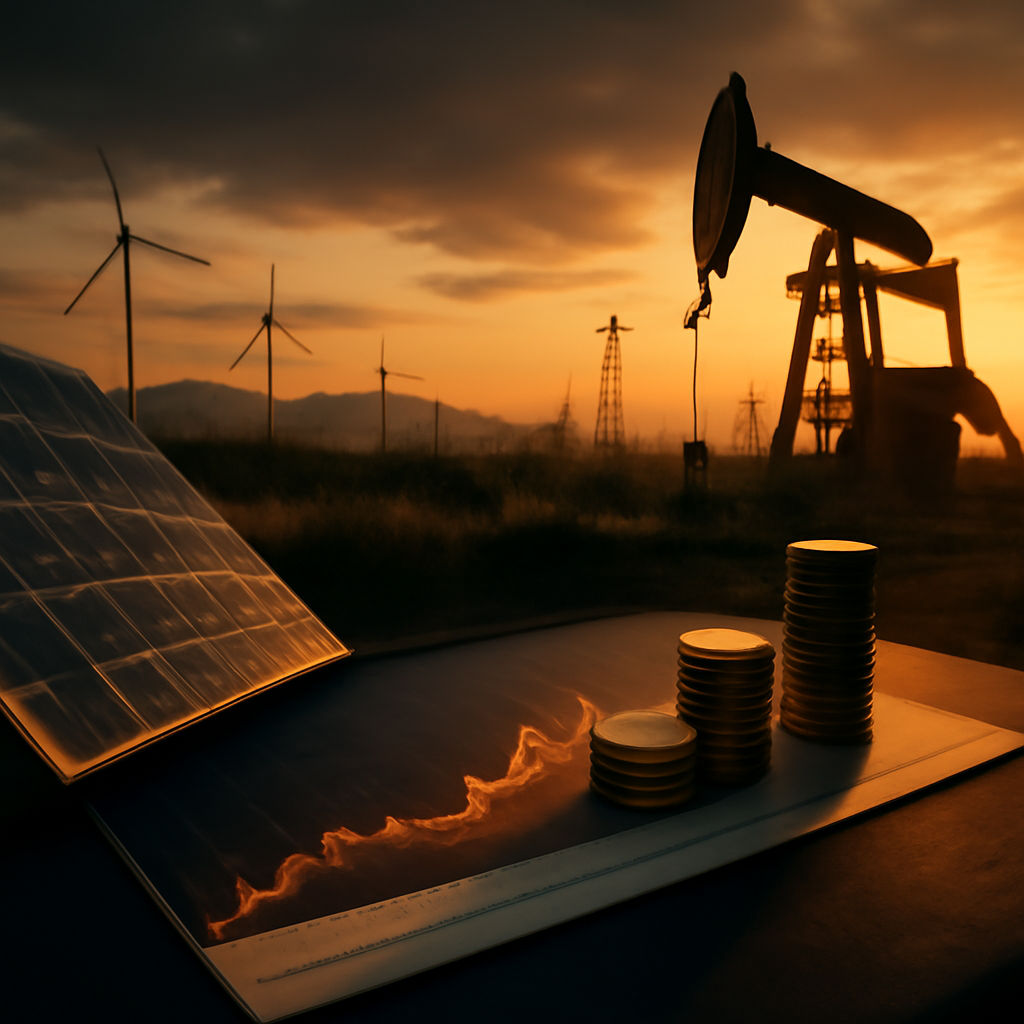
ESG Investment and Global Economic Trends: Convergence Under Strain
L'article analyse la convergence sous tension entre l'investissement ESG et les tendances économiques mondiales, marquée par la flambée des prix de l'énergie, la volatilité des matières premières et la fragmentation commerciale. Il met en lumière les dilemmes des gouvernements et des entreprises face à la transition écologique, avec des scénarios prospectifs et des données chiffrées.

Oil at $130: when the supertanker shortage becomes the true price of crude
Le Brent à 130,80 dollars le 15 septembre 2026 et un écart de 24 dollars avec le WTI révèlent que le marché ne paie plus le brut mais le navire qui l'achemine. Une pénurie critique de supertankers, amplifiée par les tensions américano-iraniennes et les frappes Houthis, transforme la logistique maritime en maillon faible de l'économie mondiale, forçant les États à subventionner les carburants pour éviter l'explosion sociale.

Oil at 130 dollars, diesel at 2.41 euros: the energy transition caught up by the geopolitical shock
Brent crude at 130.80 dollars and diesel at 2.41 euros per liter in France reveal a major oil shock with geopolitical roots, against a backdrop of an unfinished energy transition. The article analyzes the causes, distributive impacts, and prospective scenarios, emphasizing the urgency of a structural response.

Test OOM fix - Analysis of African energy markets
Analysis of African energy market trends in 2026, focusing on renewable energy.
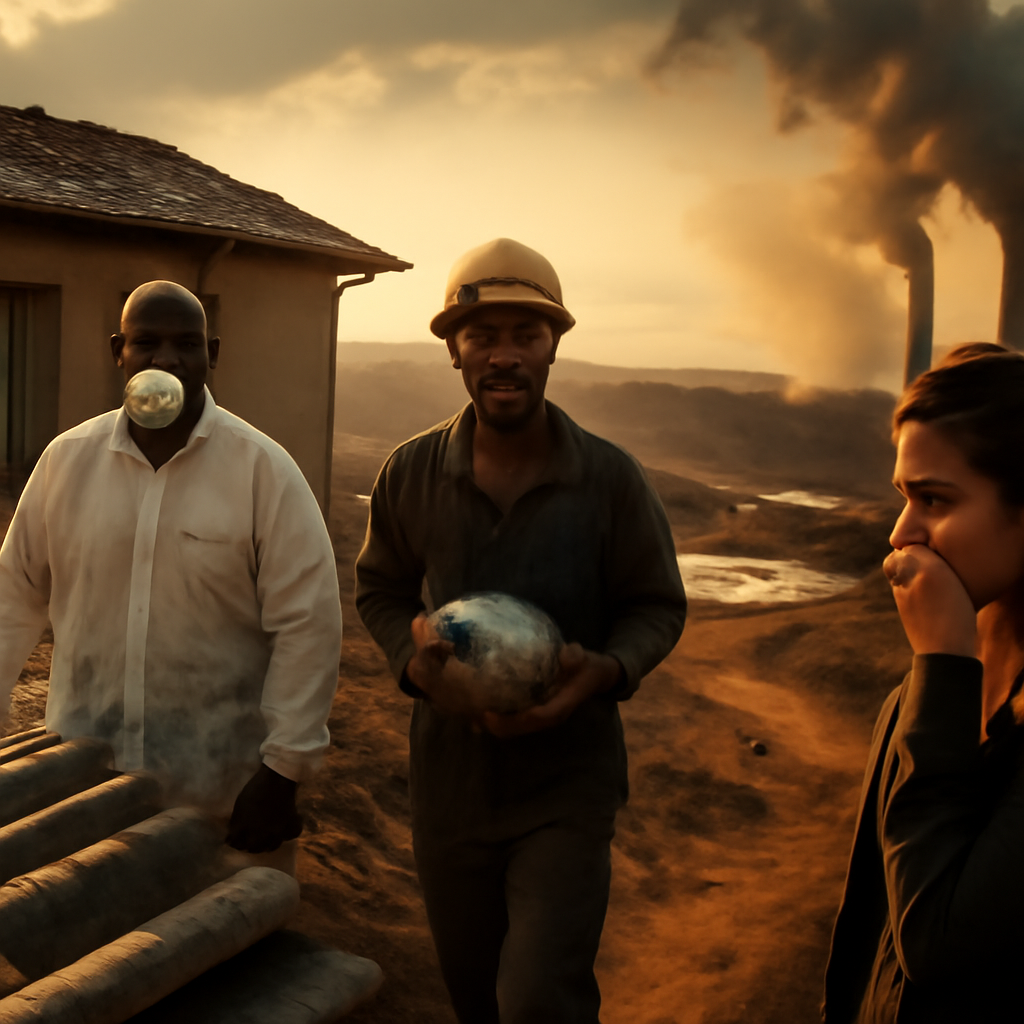
Asbestos, mining pollution and deregulation: public health facing the environmental legacy
The article examines three simultaneous environmental crises: asbestos contamination in Mafefe (South Africa), cobalt and copper mining pollution in Lualaba (DRC) where 98% of hourly measurements exceed WHO thresholds, and American deregulation of power plant emissions. It analyzes the health consequences, regulatory dynamics, and proposes three prospective scenarios.
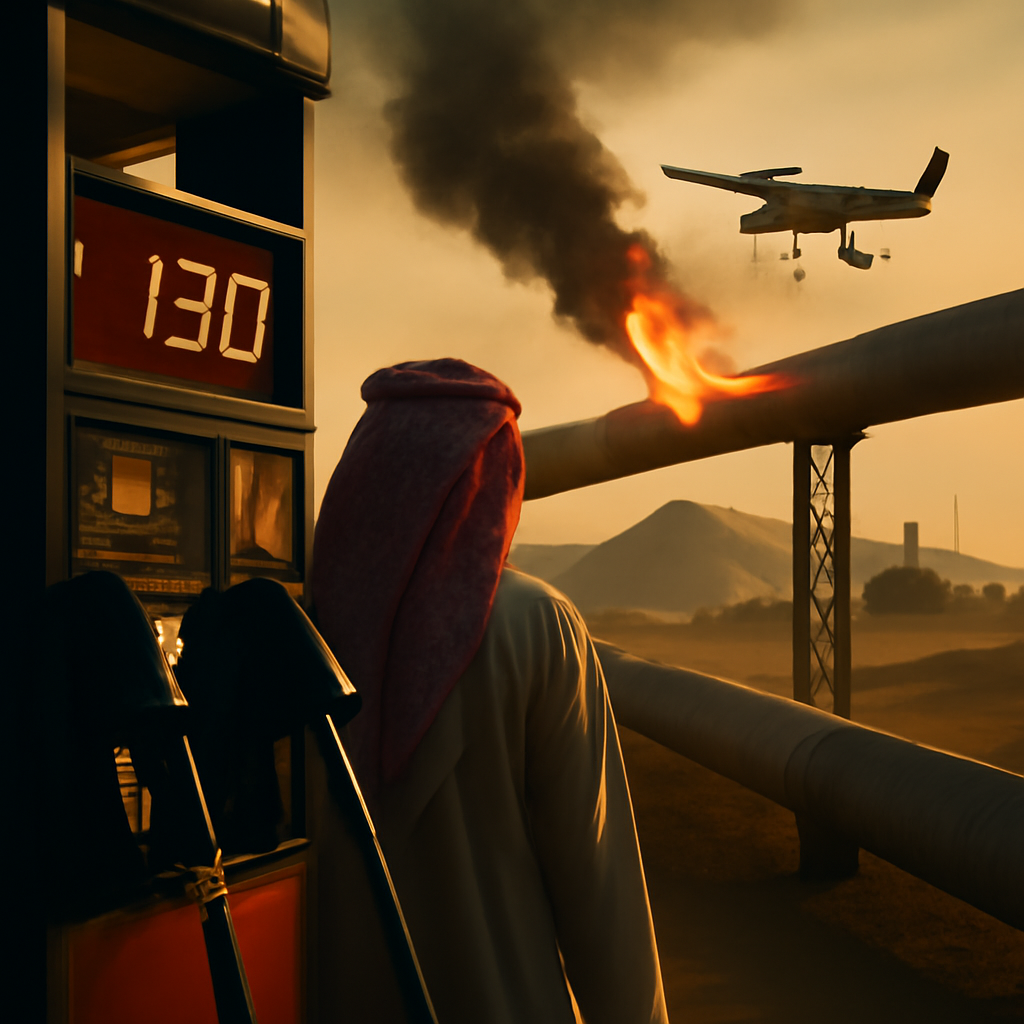
Oil: A drone on the East-West pipeline propels Brent to $130 and French diesel to a record
Une attaque de drone sur l'oléoduc Est-Ouest saoudien a fait bondir le Brent à 130,80 dollars et le gazole français à un record de 2,39 euros le litre. L'article analyse les répercussions sur les marchés, les acteurs et les scénarios prospectifs.
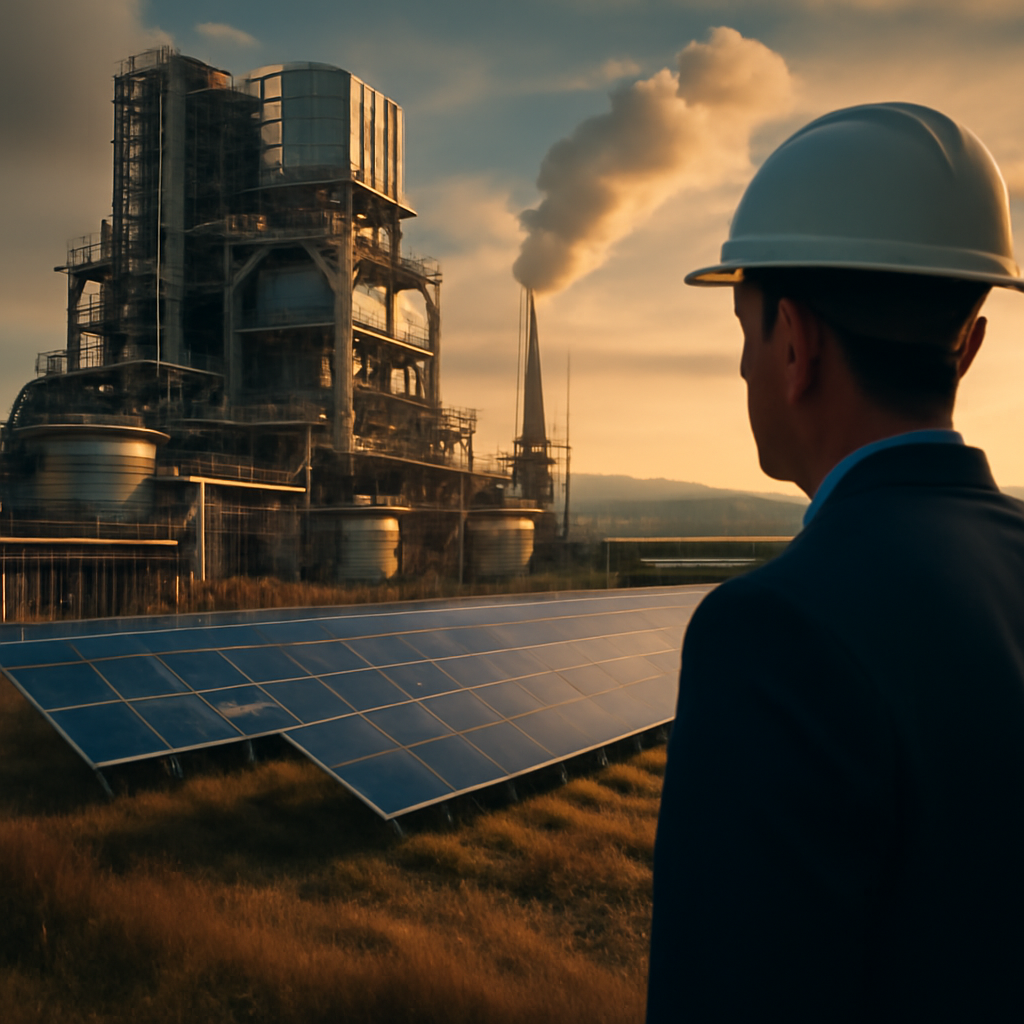
Industrial Decarbonization: CCS scales up, renewable auctions win emerging markets
The inauguration of Europe's largest carbon capture facility in Sluiskil marks the transition from promises to infrastructure, while Mongolia and Uzbekistan show that auctions and decentralized solar are winning over emerging markets. High oil prices accelerate the transition, but infrastructure costs and dependence on critical metals remain obstacles.
Low-carbon energy: industrial decarbonization shifts from discourse to infrastructure
The 76 million euro subsidy granted to BP in Castellón and the validation of 309 solar projects in Tunisia mark a shift to industrial scale decarbonization. The article analyzes regional dynamics, bubble risks, and prospective scenarios up to 2028.

Energy in Europe: The Renewable Wave Shakes Up Markets and Grids
Renewable production reached record thresholds in several French regions on September 17, 2026, while oil and gas prices soared. Europe must manage grid saturation and persistent fossil dependence.

Electricity Grids: The day eleven French regions crossed their renewable threshold
Eleven French regions simultaneously crossed their renewable threshold on September 12, 2026, revealing a structural shift in the integration of intermittent energies. From Indian data centers to Vietnamese payments for ecosystem services, the transition is reshaping investment priorities and testing grid flexibility mechanisms.
Photo by Andreas Gücklhorn on Unsplash

Global Energy: Supply falters, states seek their footing
L'Europe dépend d'un nombre réduit de corridors gaziers tandis que le brut frôle les 110 dollars après un ralentissement des chargements saoudiens. En parallèle, le solaire chinois à 12 cents le watt et la maturité du stockage redessinent les équilibres, sur fond de politiques publiques radicalement divergentes entre Washington et Berlin.
Photo by Zbynek Burival on Unsplash

BlizzCon 2026: Five Blizzard Announcements, a Capacitor ETF, and the Invisible Battle for Critical Components
Blizzard announced five major titles at BlizzCon 2026, while an ETF dedicated to multilayer ceramic capacitors turns these critical components into a financial asset. Between announcement saturation, cloud valuation volatility, and energy transition, the article analyzes the convergence between mass entertainment and hardware infrastructure.
Photo by Matthew Henry on Unsplash

Renewable Energies in Europe: Regional Overruns, Gas Tensions, and Legal Battles
On September 15, 2026, several French regions exceeded 50% renewable production, but volatility and gas tensions persist. The gas bill will increase by 120 euros in 2026, while the United Kingdom authorizes two offshore wind farms and Lithuania focuses on residential solar. Patent disputes in solar could slow down innovation.
Photo by Thomas Réaubourg on Unsplash

Expensive oil, gas under tension: the global energy crisis changes nature.
American oil executives warn of an already present fuel crisis, while crude extends its rise and Asian bonds retreat under inflationary pressure. Petrobras secures 0.8 Mt/year of LNG over 20 years with Sempra, and European gas flows reveal a constrained recomposition. Forward-looking scenarios outline a prolonged escalation (40%), a relaxation (35%), or a shock on critical metals (25%).
Photo by David Thielen on Unsplash

Rwandan Tungsten, Submarine Cables, and Nuclear Umbrella: The Recomposition of Strategic Value Chains
Rwanda secures 25% of a tungsten joint venture with Almonty Industries, just days before new US rules on defense supplies come into effect. In parallel, Finland joins the French nuclear umbrella and the United States finances a trans-Pacific submarine cable, illustrating an accelerated recomposition of strategic value chains.
Photo by Protais Benjamin MUGENZI on Unsplash

Agriculture and climate: when food production reshapes global power dynamics
Agriculture is becoming a central geopolitical lever: renewable production thresholds crossed in France, a "very strong" El Niño threatening Madagascar, value chains under tension in Spain and Nigeria. The article analyzes the divides between rich and poor countries, prospective scenarios for 1-3 years, and the conditions for successful adaptation.
Photo by Dan Meyers on Unsplash

Energy, nuclear, and climate: the convergence of crises reshapes the world order
The convergence of energy, climate, and geopolitical crises is reshaping the world order. Nuclear power is making a comeback but faces challenges with waste, renewables are crossing critical thresholds, and climate disasters threaten food security. Prospective scenarios explore possible trajectories.
Photo by Nicholas Doherty on Unsplash

Oil and Renewables: The Dual Dynamic Reshaping Global Energy
Russian gas flows to Europe are almost zero at the main entry points, while French regions exceed 50% renewable production. Gas prices remain contained, but refined products and critical metals show contrasting dynamics. A Norwegian oil project in Venezuela rekindles interest in unconventional hydrocarbons.
Photo by Farah Almazouni on Unsplash
Brics, energy and reconfigurations: the fault lines of an accelerating multipolar world
The Brics summit in New Delhi revealed the bloc's inability to unite on the war in Iran, while France crosses renewable production thresholds exceeding 57% in several regions. Latin America resists the American diplomatic offensive, and internal political dynamics weaken executives in Kenya, Germany, and the United Kingdom.
Photo by Matthew Henry on Unsplash

Energy transition: physical flows, patents and thresholds redraw the world energy map
Gas flows on September 12, 2026 show Europe reorienting towards the south, while American LNG temporarily dethrones Algeria in Spain. In parallel, heavy goods vehicles are shifting towards electric, French regions are massively exceeding their renewable thresholds, and refining under pressure is pushing diesel to new highs. Scotland is betting on wind power to attract data centers.
Photo by yassine rahaoui on Unsplash
Bab el-Mandeb under Houthi control: the world on the brink of a major energy shock
Les Houthis ont pris le contrôle du détroit de Bab el-Mandeb, menaçant le trafic maritime mondial et provoquant une flambée des prix des matières premières. L'Iran exerce une pression simultanée sur Ormuz, créant un double verrou énergétique inédit. Les réponses diplomatiques et militaires sont en gestation, mais la fragmentation régionale et les incidents en Europe compliquent la situation.
Photo by Matthew Henry on Unsplash

Strait of Hormuz: one dead, three injured — and the Brics summit that redraws the blocs
A merchant ship struck in the Strait of Hormuz leaves one dead and three injured, while the Brics summit in New Delhi sees Xi Jinping propose an alternative technological model to the West and a meeting with Modi. These events illustrate the accelerated fragmentation of alliances and the competition for digital and energy standards.
Photo by Sudhakar Chandra on Unsplash

Gas at zero on strategic corridors, fuel oil soaring: Europe faces a high-tension winter 2026
** Gas flows to Germany via strategic corridors are at zero, Kuwaiti oil production collapses by over 50%, and home heating oil prices are soaring in the United Kingdom, painting a picture of a high-tension winter 2026. The United Kingdom launches a £150 billion megaproject to overhaul its electricity grid, while renewables reach regional records in France. Europe must reconcile short-term energy security with accelerated transition.
Photo by KWON JUNHO on Unsplash

High rates, restructurings and arbitrations: global finance changes regime
Oracle raises the cost of its restructuring plan to $2.8 billion while Larry Ellison sells up to $7.5 billion in shares, a sign of strategic arbitration in AI. Wall Street rebounds after four sessions of decline, Apollo Global negotiates the acquisition of DePuy Synthes for $20 billion, and Brazilian regulators tighten fund supervision. These movements illustrate a high-rate regime that redefines corporate strategies and budgetary constraints.
Photo by BoliviaInteligente on Unsplash

Electrification and Hydrocarbons: The New Geography of Global Energy Flows
On September 12, 2026, zero gas flows at Waidhaus and record solar production in France illustrate a recomposition of global energy flows. Brent above 109 USD/bbl and Brazilian diesel subsidies show that hydrocarbons remain under pressure. The energy transition is redrawing dependencies and vulnerabilities.
Photo by Zbynek Burival on Unsplash

Energy: when the barrel flares up and European gas is cut in half
Brent crosses $109.51 a barrel while gas flows to Germany fall to zero at major entry points. The United States prepares for a record gas ramp-up, France electrifies 109 territories with 10 billion euros of CEE, and renewables reach critical thresholds in some regions.
Photo by Brett Jordan on Unsplash

Red Sea: the new oil front shaking the markets
Brent surged to $109.51 on September 9, 2026, after the Houthis captured the port of Mocha, threatening the Bab al-Mandeb strait. This surge reveals a shift in energy risk from production fields to transit corridors, amplified by chronic underinvestment and residual European dependence on Russian gas.
Photo by Brett Jordan on Unsplash

Brent at $109.51, copper at $14,850, LNG under pressure: the global energy map is redrawing
Brent crossed $109.51 a barrel on September 9, driven by tensions around the Strait of Hormuz, while copper reached an all-time high above $14,850 a tonne. The global LNG bunkering fleet will need to double by 2030, and Southeast Asia is seeing its gas demand boosted by artificial intelligence. French renewable production is reaching unprecedented levels, but with increased volatility.
Photo by Matthew Henry on Unsplash

Wage Transparency: France put to the test by the European calendar
The French draft law on wage transparency, presented three months late, illustrates the tensions between European obligations and national resistances. In a context of energy volatility and fragmentation of gas flows, France must faithfully transpose the directive while sparing businesses. Prospective scenarios outline an uncertain outcome, between dilution and acceleration under constraint.
Photo by Ben Garratt on Unsplash

Identity Tensions, Emerging Regulations: How Fragmented Societies Seek a New Social Contract
As identity tensions erupt in South Africa and the United Kingdom, states are attempting to regulate fragmented societies through salary transparency, the prohibition of phones in schools, or media control. The article analyzes these dynamics, their actors, and three prospective scenarios for 2027-2029.
Photo by Jakub Żerdzicki on Unsplash

The energy transition put to the test by geopolitical and industrial realities
The global energy transition is facing complex geopolitical and industrial realities, as shown by the surge in oil prices and record solar production in France. The article analyzes the strategies of key players, structural challenges, and proposes three prospective scenarios.
Photo by Zbynek Burival on Unsplash

Solar and nuclear: the double acceleration reshaping the global energy map
** The article analyzes the double global acceleration of renewable energies and nuclear power, illustrated by concrete examples in Uzbekistan, Argentina, France, and Germany. It highlights the challenges of storage and grid integration, and proposes three prospective scenarios for the energy future.
Photo by American Public Power Association on Unsplash

Energy Transition: Between Accelerated Decarbonization and Grid Fragility
The global energy transition is facing supply shocks and fragile infrastructures, as evidenced by the halt of Russian gas flows to Waidhaus and soaring oil prices. Despite progress in electric heavy transport and multi-energy stations, major challenges persist in terms of storage, interconnections, and technological sovereignty.
Photo by Matthew Henry on Unsplash

Energy Transition: Local Communities, Island Projects, and Industrial Innovations Redraw the Renewable Map
The energy transition is accelerating thanks to the rise of local communities, solar projects with storage on islands, and industrial innovations. These dynamics, supported by recent data, are redrawing the map of renewables and posing regulatory and technological challenges.
Photo by American Public Power Association on Unsplash

Energy on the Brink: OPEC+ Freezes Production, Renewables Become Part of Daily Life
OPEC+ freezes its oil production for October, while decentralized renewable innovations emerge, illustrating the fragmentation of the global energy landscape.
Photo by Zbynek Burival on Unsplash

The Double Climate and Energy Constraint: When Transition Collides with Price Reality
The article analyzes the tension between climate urgency and the reality of energy prices, exacerbated by geopolitical tensions. It examines the impacts on households, industries, and governments, and proposes three prospective scenarios for the energy transition.
Photo by Zbynek Burival on Unsplash

Solar and nuclear redefine European energy security
The article analyzes the recomposition of the European energy mix, between the expansion of Nordic solar, the rise of advanced nuclear, and the weakening of gas infrastructures. It relies on recent data on flows, prices, and projects to shed light on energy security issues.
Photo by Wanghao SANG on Unsplash

The European Energy Transition Tested by Market Realities
The bankruptcy of Portugal's largest solar power plant, Solara4, illustrates the fragilities of the European energy transition model based on market mechanisms. The article analyzes the economic challenges of renewable energies, the strategies of key players, and proposes three prospective scenarios for Europe's energy future.
Photo by Farah Almazouni on Unsplash

Oil at $96, solar record: the new global energy landscape
The surge in oil prices due to Middle East tensions contrasts with record renewable production. China taxes lithium-ion batteries, negative electricity prices multiply in Europe, and solar innovations emerge. Three prospective scenarios outline the energy future.
Photo by Dominik Vanyi on Unsplash

The Global Industry Under Strain: Between Regional Resilience and Logistics Fractures
The article analyzes the current tensions in the global industry, including the drop in Saudi oil production, port strikes in Northern Europe, and the rise of the Russian ghost fleet. It examines the impacts on supply chains and proposes three prospective scenarios for the evolution of the situation.
Photo by Julia Taubitz on Unsplash

The new strategic landscape: between hybrid warfare, ballistic proliferation and energy recomposition
The article analyzes recent geopolitical tensions, including the American strike in Iran, the militarization of the Moscow-Tehran axis, German missile tests, and global energy and economic implications.
Photo by Akbar Nemati on Unsplash

Oil, Debts, and Markets: The World Under Tension
The article analyzes global economic tensions in September 2026, marked by a surge in oil prices due to American strikes in Iran, record sovereign debts, and volatile financial markets. It examines the impacts on key players, short- and medium-term prospects, and proposes three prospective scenarios.
Photo by Zbynek Burival on Unsplash

The Tehran-Moscow axis redraws the map of crises, from Hormuz to the Taiwan Strait
The article analyzes the interconnection of geopolitical crises, from the Eastern Mediterranean to the Strait of Hormuz, passing through Ukraine and Syria, and their implications for global security and energy markets. It examines the roles of major powers and proposes three prospective scenarios for the coming months.
Photo by Matthew Henry on Unsplash

The World on the Brink: The Emergence of a New Multipolar Order Under Strain
The article analyzes global geopolitical fragmentation through simultaneous crises (Iran, Gaza, Africa) and rivalries between powers, highlighting the risks for the economy and security. It proposes prospective scenarios and emphasizes the importance for readers to understand these dynamics.
Photo by Akbar Nemati on Unsplash
Renewable Energy and Market Dynamics
Photo by Matthew Henry on Unsplash
Progress and Challenges of Renewable Energies and Decarbonization
Photo by Matthew Henry on Unsplash
Energy Transition and Renewable Production
Photo by Matthew Henry on Unsplash

Oil agreement, Russian espionage, and Iranian sanctions: the fragmented world of 2027 takes shape
The oil agreement between Washington and Caracas, the Russian espionage scandal in Slovakia, and Iranian resistance to sanctions illustrate an accelerated fragmentation of the world order. These dynamics impact energy prices, precious metals, and the security of European infrastructure. Three scenarios are emerging, from a controlled escalation in the Middle East to the forced integration of Venezuelan crude, with direct implications for citizens.
Photo by Clay Banks on Unsplash
The Global Storm: Ukraine, Iran, and Niger at the Heart of a Brutal Geopolitical Reshaping
The analysis explores the simultaneity of conflicts in Ukraine, Niger, and Iran as symptoms of a brutal geopolitical reshaping. It highlights Russia's growing role, the asymmetric gains of American oil companies, and the rise of renewable energies as a partial response to volatility. Prospective scenarios underscore the risks of escalation and the entrenchment of external influences.
Photo by Matthew Henry on Unsplash

Electrical, Nuclear, Solar, and Storage Sovereignty: The Energy Recomposition Accelerates
On August 26, 2026, Washington banned grid equipment from embargoed countries, while ABB, Fortum, and Enbridge announced structuring decisions. Between innovations (graphite, bamboo, BESS) and risks concerning critical materials, infrastructures are becoming the battlefield of the transition.
Photo by Mason Kimbarovsky on Unsplash

Oil under tension, green hydrogen and plug-in panels: the new geography of energy
The global energy recomposition is unfolding between geopolitical shocks (oil embargo in Cuba, 45 million barrels/day from conflict zones) and disruptive innovations (Chinese green hydrogen, British plug-in solar panels, electrochemical ammonia). States are intervening urgently, from Italy to the United Kingdom, while storage and geothermal infrastructures are progressing. The challenge now is to secure critical metal supply chains to prevent the transition from becoming a new factor of conflict.
Photo by Matthew Henry on Unsplash

Europe's Energy Transition Put to the Test by Weak Signals
Europe is accelerating its energy transition under constraints: Spanish requirement for 80% renewable electricity for data centers, Avaada Electro's IPO in India, and the documented rise of floating solar in China. These signals show industrial and regulatory competition that forces a rethinking of energy system management.
Photo by Marcin Jozwiak on Unsplash

The European Gas Shock: Between Persistent Dependence and Renewable Bright Spots
Europe is experiencing a new surge in LNG prices, reaching their highest level since 2023, driven by global competition and limited supply. Despite notable renewable progress in some French regions, gas dependence persists, posing economic and geopolitical challenges in the short and medium term.
Photo by Ben Garratt on Unsplash
Energy Transition and Renewable Production in France and Europe
Photo by Matthew Henry on Unsplash

The Fed facing the oil surge: investors anticipate monetary tightening
Investors have priced in a Federal Reserve rate hike in response to the surge in oil prices, making the central bank's upcoming meeting a crucial event. The article analyzes the stakes, the players, and three prospective scenarios, while highlighting the risks to growth and the credibility of monetary policy.
Photo by Zbynek Burival on Unsplash
The Strait of Hormuz under tension and the Iran-US war redraw the risk map
Financial markets are absorbing divergent industrial and monetary shocks, from the fall in automotive profits to the volatility of emerging currencies. Large investors are reallocating towards private credit, real assets, and infrastructure, while central banks adjust their policies. The central question is whether this reallocation will occur without systemic disruption.
Photo by Matthew Henry on Unsplash

Energy innovation reshapes global balances
The global industry shows intersecting signs of fragility: ineffective pharmaceutical recalls, automotive crisis, regional energy imbalances. Public debt and raw material price data confirm reduced room for maneuver for states. Three scenarios are emerging: continuous weakening, selective rebound, and systemic shock.
Photo by Ilya Yakubovich on Unsplash

When AI and energy redraw the global infrastructure map
The global industry shows intersecting signs of fragility: ineffective pharmaceutical recalls, automotive crisis, regional energy imbalances. Public debt and raw material price data confirm reduced room for maneuver for states. Three scenarios emerge: continuous weakening, selective rebound, and systemic shock.
Photo by Lightsaber Collection on Unsplash

Renewable gas: when regulatory thresholds explode, the administration must adapt
Alerts regarding the exceeding of renewable gas production thresholds in Normandy, Pays de la Loire, and Occitanie reveal a dynamic that challenges current regulatory frameworks. The French public administration is facing an imperative for rapid adaptation to support this transition without creating bottlenecks.
Photo by KOBU Agency on Unsplash

Artificial Intelligence: forced industrialization
Les alertes de dépassement des seuils de production de gaz renouvelable en Normandie, Pays de la Loire et Occitanie révèlent une dynamique qui défie les cadres réglementaires en vigueur. L'administration publique française est confrontée à un impératif d'adaptation rapide pour accompagner cette transition sans créer de goulots d'étranglement.
Photo by Igor Omilaev on Unsplash

The world order under tension: wars, sanctions, and new maritime routes
The article analyzes the global geopolitical recomposition through conflicts in the Middle East and Africa, economic pressures on Iran, the expansion of Arctic routes, and regulatory adjustments. It uses data on commodity prices and maritime signals to shed light on short- and medium-term challenges. Three prospective scenarios are proposed, framed by specific conditions and indicators.
Photo by Emin Huric on Unsplash
Global Energy Strategies: Between Sovereignty and Decarbonization
Global energy strategies are being reshaped around sovereignty and decarbonization: the French nuclear revival, decentralized solar, non-Western financing in Africa, the battle for Sahelian resources, and the challenges of Indian biogas intersect with redrawn European gas flows.
Photo by Matthew Henry on Unsplash

The Global Energy Transition Challenged by Bottlenecks
The global energy transition is encountering critical bottlenecks, from turbine delivery times extending to 2031 to record clean investments driven by AI. Geopolitical tensions and access inequalities, from Brazil to Tunisia, are redefining decarbonization pathways.
Photo by Igor Omilaev on Unsplash

Climate Crisis: Between Local Impacts and Fragmented Global Governance
The impacts of climate change are manifesting through increasingly acute local crises, from cracks in homes in France to the drying up of the Nile in Sudan. In response, global governance remains fragmented, while new economic analyses challenge the societal profitability of fossil fuels. A range of solutions is emerging, combining technological innovations and traditional knowledge, raising crucial questions of climate justice for the future of environmental policy.
Photo by Karsten Würth on Unsplash

Geopolitical Turbulences and Their Global Economic Repercussions
The world is facing an intensification of economic pressures and geopolitical conflicts, notably the US threats of «economic war» against Iran which have driven up oil prices. Trade tensions persist with accusations of tariff circumvention and bilateral disputes, while conflict hotspots like Yemen and the Black Sea threaten energy security. These dynamics are part of a global context of change, challenging traditional frameworks of thought and requiring adaptation from international actors.
Photo by Saifee Art on Unsplash

The reconfiguration of global balances: between regional tensions and political uncertainties
The world is undergoing profound change, facing complex geopolitical challenges. The United States is experiencing internal political developments, with warnings about the dismantling of institutional counterweights, which could impact its international posture. Regional tensions persist, particularly in Pakistani-administered Kashmir and around the Strait of Hormuz, where Iranian uncertainty influences global oil markets, highlighting the fragility of global stability.
Photo by Saifee Art on Unsplash

The energy transition at a crossroads: between political imperatives and technological breakthroughs
The global energy transition is progressing through increasingly sophisticated national policies, such as residential solar incentives in Malaysia or dynamic pricing in Spain, but faces integration and social acceptability challenges, as seen in Greece. Simultaneously, technological innovation in solar, modular nuclear for maritime transport, and green hydrogen opens new decarbonization pathways, while companies directly invest in renewables to secure their supply and control costs.
Photo by American Public Power Association on Unsplash

Development of Renewable Energies in Europe: Between Technological Innovations and Strategic Imperatives
The development of renewable energies in Europe is driven by major technological advancements, notably the large-scale deployment of sodium-ion batteries in Eastern Europe, which promise to diversify storage solutions. The effectiveness of regulatory frameworks, such as carbon pricing in Italy, is confirmed as an essential lever for attracting investments. However, the continent faces intense global industrial competition, illustrated by the expansion of production capacities in the United States, which raises crucial questions about its technological sovereignty and industrial strategy.
Photo by Matthew Henry on Unsplash

Energy Transition in Europe: Between Climate Imperatives and Industrial Realities
Europe's energy transition is facing increasing tension between the vulnerability of electricity systems to climate shocks and the need to accelerate the deployment of renewable energies. While heatwaves put a strain on nuclear and hydroelectric production, innovations in solar energy, such as agrivoltaics and anti-reflective technologies, aim to improve its integration and acceptability. In parallel, the persistence of supply security issues, visible in gas stock management and strategic investments in the nuclear fuel cycle, underscores the complexity of decarbonization that must reconcile climate imperatives and industrial realities.
Photo by Tim Mossholder on Unsplash

The Complex Dynamics of Global Energy Markets
Global energy markets are characterized by high volatility due to geopolitical tensions and uncertainties in oil and gas supply. Hydrocarbon exploration sees successes, such as in Brazil, but also major setbacks, notably the blocking of offshore projects in South Africa for environmental reasons. Meanwhile, electricity shortages and import dependencies highlight the fragility of energy systems, while innovations in energy storage, such as lithium batteries, are progressing to support the energy transition.
Photo by Dan Meyers on Unsplash

Climate Challenges and Global Energy Strategies: Between Urgency and Complexity
The world is facing an intensification of climate challenges, marked by extreme phenomena such as heatwaves and droughts, which have major economic and environmental repercussions. In response, energy strategies are diversifying, with massive investments in renewable energies and nuclear power, as well as technological innovations. However, the transition is complex, confronted with financial uncertainties, technological limits, and a persistence of dependence on fossil fuels, highlighting the difficulty of reconciling climate urgency and economic imperatives.
Photo by Lukáš Lehotský on Unsplash
Environmental Challenges and the Dynamics of Global Energy Transition
Europe is facing extreme climatic phenomena, such as wildfires and droughts, which have significant economic and social impacts. At the same time, energy security remains a major concern, with grid failures and new hydrocarbon discoveries, while the transition to clean energy is hampered by commercial and geopolitical challenges. Responses include emergency government aid and scientific research on adaptation and resilience.
Photo by Matthew Henry on Unsplash

Global Energy Dynamics: Between Hydrocarbon Expansion, Transition, and Climate Challenges
The global energy landscape is marked by a duality: the continuous expansion of hydrocarbon explorations and major investments coexists with an acceleration of the transition towards clean energies, supported by governmental incentives and technological innovations. However, persistent challenges such as supply crises, environmental threats, and the need for climate adaptation underscore the complexity of energy and environmental issues on a planetary scale.
Photo by Dan Meyers on Unsplash
h1 The Emirati Oil Mirage: When the Shadow of a Fall Calls into Question the Reliability of Global Data /h1
h1 Le Mirage Pétrolier Émirati : Quand l'Ombre d'une Chute Remet en Cause la Fiabilité des Données Mondiales /h1 h2 Contexte et genèse du signal /h2 p Les Émirats arabes unis (EAU) se sont imposés comme un pilier incontournable de l'architecture énergétique mondiale. Troisième producteur de pétrole au sein de l'OPEP+, derrière l'Arabie saoudite et l'Irak, leur capacité de production et d'exp
Photo by Matthew Henry on Unsplash

Europe facing the intensification of extreme climatic phenomena and adaptation challenges
Europe is facing a summer 2026 marked by heatwaves, intense droughts, and fires, leading to logistical disruptions, health challenges, and economic impacts. Emergency measures, such as watering bans and transport adaptations, are being implemented. Simultaneously, businesses and scientific research are exploring longer-term adaptation strategies, highlighting the need for a transition towards more resilient climate policies.
Photo by Farah Almazouni on Unsplash
Global Industrial and Commercial Dynamics Facing Geopolitical Pressures and Structural Changes
Global industrial and commercial dynamics are marked by geopolitical tensions over critical supply chains, major corporate restructurings, and increased regulation. From trade disputes to data sovereignty issues, economic actors must adapt to a complex environment. Simultaneously, new markets are emerging, and operational optimization as well as sustainability are becoming strategic imperatives.
Photo by Matthew Henry on Unsplash

Energy Transition and Industrial Ecology: Between Disruptive Innovations and Persistent Dependencies
The industrial transition towards sustainability is progressing through concrete decarbonization and recycling projects in Europe, but remains hampered by a strong dependence on fossil fuels, particularly in the technology sector. Research explores disruptive solutions in the bioeconomy and the extraction of new resources, while the emergence of new ecological risks, such as those related to the seabed, necessitates an urgent strengthening of environmental governance.
Photo by Homa Appliances on Unsplash

The escalation of tensions in the Middle East: between nuclear threats and regional repercussions
The Middle East is witnessing a significant escalation of tensions between the United States and Iran, marked by crossed threats concerning nuclear facilities and military strikes that have resulted in considerable human losses and financial costs. This direct confrontation impacts regional stability, affecting oil shipping and the deployment of forces in Lebanon, while also having international implications with the involvement of the United Kingdom. Economic consequences are notably manifested by a sharp increase in gasoline prices, highlighting the global reach of this crisis.
Photo by Planet Volumes on Unsplash

Global Economic Dynamics: Between Trade Tensions, Inflation, and Sectoral Changes
The global economy is characterized by contrasting dynamics, with stock market volatility and persistent inflation in countries like Argentina, while sectors such as energy show strong growth. Trade tensions are intensifying, particularly with American accusations against Brazil and China, and companies are adjusting their strategies in the face of demand challenges (Porsche) or regional opportunities (Moroccan real estate). These developments highlight the complexity of international markets and the challenges of economic sustainability.
Photo by Sasun Bughdaryan on Unsplash

Global Commercial Dynamics: Between Strategic Realignments and Logistical Pressures
Global trade is undergoing a major reorganization driven by tariff policies, tax incentives, and environmental imperatives, leading to production relocations and strategic adjustments in supply chains. African energy dynamics are characterized by investment efforts and production challenges, while logistical performance and carbon policies are becoming crucial for commercial resilience. However, the consulted sources do not provide information on a generalized decline in air freight.
Photo by Paul .T on Unsplash

Contrasting Dynamics of the Energy Transition in Europe: Between Giants' Reorientation and Infrastructure Acceleration
The energy transition in Europe presents contrasting dynamics: while Shell disengages from solar storage in Germany to refocus on fossil fuels , the charging infrastructure for electric vehicles expands in France and Mercedes-Benz launches new innovative electric models . Scientific research continues to explore avenues such as fusion energy and improved solar cells , reflecting the complexity of the continent's energy challenges.
Photo by Ben Garratt on Unsplash

The Global Transport and Logistics Sector: Between Resilience in the Face of Crises and the Imperative of Sustainable Innovation
** The global transport and logistics sector faces major challenges, including fuel cost volatility and geopolitical disruptions that force logistical adaptations such as increased reliance on road transport. In parallel, significant innovations are emerging, such as the electrification of heavy goods vehicle fleets with decision-making aid simulators and autonomous solar charging stations, as well as the optimization of multimodal freight networks. These developments, combined with regulatory adjustments and regional recovery dynamics, paint a complex landscape where resilience and sustainability are imperatives.
Photo by CHUTTERSNAP on Unsplash

Turbulences and Transformations: Global Energy Markets Facing Challenges and Innovation
Global energy markets are facing supply disruptions due to climatic and astronomical phenomena, while geopolitical tensions continue to influence oil prices. Simultaneously, innovation and investments in renewable energies, hydrogen, and sustainable fuels are accelerating. The commodities market shows contrasting dynamics, with increases for cocoa and a general decline in energy prices in July.
Photo by David Thielen on Unsplash

Energy Transition: Between Renewable Acceleration and Strategic Resilience of Hydrocarbons
The global energy sector is evolving on a dual path: a strategic consolidation of natural gas, supported by massive infrastructure investments to meet industrial and technological demand, and robust growth in the wind sector, which is regaining profitability. This paradoxical dynamic, where hydrocarbons demonstrate strong resilience while exploring synergies with low-carbon technologies like geothermal energy, results in divergent national strategies, illustrating a pragmatic and non-linear energy transition.
Photo by Nicholas Doherty on Unsplash

Energy Transition: Between Promising Innovations and Structural Challenges
The global energy transition is marked by continuous technological innovations, particularly in solar energy with spherical modules and anti-UV protections, as well as propane heat pumps. The deployment of renewable energies is dynamic, as evidenced by solar projects in France and battery storage in Cyprus, but it is also hampered by regulatory challenges and declining growth in certain regions. Paradoxes persist, with tech giants building polluting gas-fired power plants for their data centers, and the vulnerability of nuclear infrastructures to climatic hazards.
Photo by American Public Power Association on Unsplash

Sustainability Strategies: Scientific Perspectives and Governance Frameworks
The analysis of sustainability strategies reveals advances in green technologies, environmental management, governance frameworks, and public health. Research focuses on post-lithium batteries and fusion fuel cycles, air quality related to agricultural burning, as well as sustainable development policies in the Philippines and mining planning in Colombia. Sustainability is also integrated into cardiovascular prevention, although detailed information on the climate crisis and its direct impacts is absent from the consulted sources.
Photo by Matthew Henry on Unsplash

The Multiple Facets of Sustainability: Between Climate Emergency and Strategic Innovations
France faces recurrent droughts and heatwaves, severely impacting its economy and highlighting a slow adaptation to climate change. In response, technological innovations such as floating wind power and circular economy strategies for waste and wastewater management are being developed globally. However, security challenges, such as cyberattacks on critical infrastructure, persist, complicating the transition to global sustainability.
Photo by Nicholas Doherty on Unsplash

Transformations and Resilience: Current Dynamics of Global Industry and Supply Chains
Global industry and supply chains are undergoing a profound transformation, driven by the electrification of transport and record investments in nuclear fusion. Businesses and governments are adopting diversified strategies, including logistics integration, major acquisitions, and support programs, while seeking to strengthen resilience against supply chain vulnerabilities and adapt the labor market.
Photo by Clayton Cardinalli on Unsplash

A Changing World: Migration Crises and Geopolitical Redefinitions
The migration crisis in Ceuta has reignited the European debate on border management, while the world is undergoing a profound geopolitical transformation, with challenges for the EU and the Americas. Regional conflicts, such as in Libya or the impact of the Russo-Ukrainian war, are reshaping energy and social balances, and competition between major powers is intensifying the proliferation of autonomous weapons. These interconnected dynamics highlight a period of uncertainty and redefinition of global stakes.
Photo by Christian Lue on Unsplash

Global Ecological Transition: Strategic Analysis of Technological Innovations, Pressures on Ecosystems, and Sustainability Levers
This strategic analysis report examines global environmental challenges through several key axes: the water quality crisis, marked by emerging pollutants and infrastructure degradation; the transformation of agriculture towards sustainable models via support policies and agronomic innovation; and the potential of the circular economy and energy transition, driven by advances in materials science and biotechnology. The analysis highlights a tension between the speed of degradation and the pace of innovation, emphasizing the crucial role of systemic approaches and data-driven governance.
Photo by Dan Meyers on Unsplash

Global Energy Transition: Biofuels, Nuclear, and Innovations for Sustainable Infrastructures
The global energy transition relies on a combination of biofuels, nuclear energy, and technological innovations. Portugal aims to produce biofuels and sustainable aviation fuel (SAF) in partnership with Brazil, while the nuclear industry seeks billions in annual investments for its renewal. The development of sustainable infrastructures, including advanced battery technologies and green fintech financing, is crucial for achieving decarbonization and sustainability goals.
Photo by Zac Wolff on Unsplash

Geopolitical Tensions in the Middle East and Their Repercussions on Commodity Markets
Geopolitical tensions in the Middle East, particularly the Iran-Israel clashes and the closure of the Strait of Hormuz, have caused significant volatility in LNG and oil markets, with LNG prices soaring by 50% and a 20% reduction in global supply. Diplomatic attempts, such as those by Donald Trump or the strategy of the United Arab Emirates, struggle to stabilize the situation in the face of persistent conflicts. These regional dynamics, combined with other global challenges concerning supply chains and critical resources, underscore the interdependence of security and economic issues.
Photo by Emin Huric on Unsplash

Energy Transition: The Paradox of Simultaneous Growth in Fossils and Renewables
An analysis of the global energy landscape reveals a contradictory dynamic: majors like TotalEnergies continue to invest massively in new gas and oil projects , ensuring the longevity of fossil fuels. In parallel, decarbonized sectors are strategically structuring themselves, with consolidation projects in European wind power to counter Chinese competition and initiatives to strengthen the nuclear supply chain in Italy . This coexistence suggests that the current transition is more akin to an "energy addition," where renewables complement fossil fuels without replacing them, rather than a true substitution .
Photo by American Public Power Association on Unsplash

The Energy Transition: Between Technological Innovations, Social Imperatives, and Market Realities
The analysis of the energy transition reveals a complex dynamic where continuous investments in gas infrastructure coexist with major technological advancements in renewable energies, such as HVDC cables . This transition is not only technical; it raises crucial questions of sustainability via life cycle analysis and environmental justice at the local level . The alignment of solar and bioenergy technologies with global Sustainable Development Goals underscores the ambition to reconcile decarbonization and equitable development.
Photo by Karsten Würth on Unsplash
Global Decarbonization Strategies: Between Political Ambitions and Technological Innovations
Faced with the gap between the objectives of the Paris Agreement and national actions , the global response is unfolding on several fronts. It combines massive financing for renewable energies , the development of large-scale carbon capture infrastructures , and a wave of technological innovations aimed at converting waste into energy and treating industrial pollutants .
Photo by Matthew Henry on Unsplash

In-depth Analysis: Flare-up of Conflicts and Crisis of Multilateralism, a Systemic Global Instability
An analysis of current global tensions reveals a critical interconnection between military conflicts in Ukraine and the Middle East, which are causing severe global economic instability via energy and food markets. Simultaneously, the effectiveness of international sanctions against Russia is undermined by circumvention strategies, while key multilateral institutions like the ICC and the UN face leadership crises and significant transitions.
Photo by Bernd 📷 Dittrich on Unsplash

Global Financial Markets: Between Geopolitical Tensions, Inflation, and Sectoral Dynamics
Global financial markets present a contrasting picture, with strong growth in US small-cap stocks and geopolitical tensions exacerbating oil prices and inflation fears. Central banks are responding with rate adjustments, while various regional economies show heterogeneous performances, from the expansion of Islamic finance in Bahrain to fiscal challenges in Cameroon. The entire landscape is marked by a search for balance between growth, stability, and financial innovation.
Photo by David Thielen on Unsplash

Convergence of Crises: How Geopolitical Shocks in the Middle East and Ukraine Redefine the Global Economy
The escalation of conflicts in the Middle East and Ukraine has pushed oil prices above $100 a barrel, rekindling global inflationary fears. This energy crisis puts pressure on the European Central Bank, which has delayed action on its rates, and causes a fall in stock markets as well as serious disruptions in sectors such as tourism and aviation.
Photo by Zbynek Burival on Unsplash

La Transition Énergétique Mondiale : Entre Ambitions de Décarbonation, Innovations Technologiques et Défis Réglementaires
La transition énergétique mondiale est un processus complexe marqué par des efforts de décarbonation, des innovations technologiques et des ajustements réglementaires. Des pays comme la Pologne réduisent drastiquement leur dépendance au charbon au profit des renouvelables, tandis que l'Inde explore l'expansion de sa capacité nucléaire et que la France investit dans les réseaux de froid urbain et augmente son Fonds vert. Ces initiatives globales sont confrontées à des défis de reconversion des travailleurs et à des dilemmes politiques, soulignant la nécessité de cadres réglementaires et de financements robustes pour une transition juste et efficace.
Photo by Matthew Henry on Unsplash
Global Energy Infrastructures in Transition: Between Strategic Gas Projects and the Acceleration of Electromobility
The global energy landscape is characterized by major investments in infrastructure, notably the approval of the 6,000 km Nigeria-Morocco gas pipeline by ECOWAS . Concurrently, electromobility is gaining ground, with an 18% drop in electric car prices between 2020 and 2025, necessitating the deployment of dedicated charging infrastructures for heavy-duty vehicles . Electricity grids face adaptation challenges for a just transition and the integration of renewable energies, such as offshore wind .
Photo by Matthew Henry on Unsplash

Oil Market and Energy Transition: Between Geopolitical Crises and Decarbonization Imperatives
The global energy market is characterized by a dual dynamic: the persistence of geopolitical vulnerabilities linked to oil, illustrated by the closure of the Strait of Hormuz and the embargo on Cuba , and the acceleration of a multifaceted energy transition. This transition is materialized by ambitious policies such as the tripling of energy storage in Europe and sectoral innovations , but faces challenges of infrastructure, governance, and social justice .
Photo by Zbynek Burival on Unsplash

Energy Transition: Between Accelerated Renewable Production and Innovative Storage Imperatives
The global energy transition is accelerating, driven by massive private investments in solar and ambitious public policies, such as the ban on internal combustion vehicles in China . Simultaneously, the energy storage sector is experiencing major technological advancements that are reducing battery costs , while alternative solutions like hydraulic storage demonstrate their economic relevance for specific applications . Battery life cycle management emerges as a crucial issue to ensure the long-term sustainability of this transformation .
Photo by Karsten Würth on Unsplash

Ideological Polarization and the Return of Deterrence: New Global Strategic Fractures
The global strategic landscape is reconfiguring around two major dynamics: the consolidation of a transnational conservative front, visible at the CPAC conference in London , and a marked return to nuclear deterrence as a pillar of sovereignty, illustrated by France's massive investments and the unprecedented debate initiated in Japan . In this context, the United Kingdom, under a probable leadership of Andy Burnham, is moving towards diplomatic continuity aimed at strengthening ties with Ukraine and the European Union .
Photo by Lukáš Lehotský on Unsplash

Energy Transition: Between Record Accelerations and Persistent Tensions
The global energy transition presents a contrasting picture, marked by record solar energy performance in Europe but simultaneously hampered by climate vulnerability.
Photo by Dan Meyers on Unsplash

Global Energy Markets at a Crossroads: Between Fossil Persistence, Green Acceleration and Climate Vulnerabilities
In 2026, global energy markets are marked by a duality: the persistence of dependence on fossil fuels, particularly Russian ones, and investments in their infrastructures, co
Photo by Andreas Gücklhorn on Unsplash

Innovations, Integration and Resilience: The Future of New and Renewable Energies
The global energy landscape is marked by rapid technological advancements and significant integration challenges for new and renewable energies. Innovations such as batteries..
Photo by Dan Meyers on Unsplash

The Global Ecosystem of Innovation and Regulation in the Face of Energy and Environmental Challenges
The global energy and environmental landscape is characterized by major technological innovations and regulatory adjustments. Advances in sustainable aviation (Airbus), lithium-ion batteries (Cambridge), and the integration of AI for energy efficiency are observed, while policies in Germany and Guyana reform energy subsidies and the management of seized resources. These combined efforts aim to accelerate decarbonization and optimize resource utilization in the face of climate challenges.
Photo by Karsten Würth on Unsplash

The Global Energy Transition: Between Technological Innovations and Geopolitical Challenges
The global energy transition is characterized by contrasting dynamics, ranging from progressive policies in California targeting renewable energies to acute energy crises like that in Cuba, exacerbated by geopolitical factors. Simultaneously, major technological innovations are emerging, such as the modular nuclear "gravity reactor" tested in Kansas, promising a significant reduction in operational costs. These developments highlight the complexity and diversity of approaches and challenges in the quest for a sustainable energy future.
Photo by Lukáš Lehotský on Unsplash

Between Volatility and Transition: The Challenges of Energy Markets and Critical Raw Materials
Global energy markets are marked by diesel volatility due to geopolitical tensions and supply disruptions , while American oil activity
Photo by Dinesh Kumar on Unsplash
Current Trends in the Oil Market: Between Pricing Strategies, Innovations, and Supply Outlook
The global oil market is characterized by aggressive pricing strategies from Saudi Arabia, which has significantly reduced its prices for Asia to regain market share in the face of an anticipated oversupply . Despite this, oil prices have shown an upward trend in global markets . Concurrently, Oman is investing in research initiatives for CO₂-based enhanced oil recovery (EOR) and the integration of CCUS systems, highlighting a commitment to innovation and sustainability . These dynamics are part of the broader context of the global energy transition, which impacts oil trade and transport .
Photo by Matthew Henry on Unsplash

Navigating the Complexities of International Trade: Regulations, Logistics, and Economic Challenges
International trade is marked by significant regulatory developments, notably new EU customs rules impacting Chinese e-commerce and persistent challenges concerning EU-US data transfer agreements. In logistics, the maritime sector is progressing in safety and decarbonization despite risks like liquefaction, while air logistics faces critical incidents. These dynamics are complemented by economic trends of neo-protectionism and strategic realignments in the energy sector, requiring constant adaptation from global players.
Photo by CHUTTERSNAP on Unsplash

Turbulences and Innovations: The Multiple Facets of the Global Energy Transition
The global energy landscape is marked by structural and geopolitical challenges, such as grid collapses in Cuba and fuel crises in Russia, as well as climatic impacts in Brazil and Colombia. Simultaneously, the energy transition is accelerating with innovations in residential energy storage (Octopus Energy), low-carbon biofuels in France, and investments in nuclear power (Google), despite waste management challenges. These complex dynamics highlight the interaction between security of supply, decarbonization, and adaptation to climate change.
Photo by Lukáš Lehotský on Unsplash

Strategic Stakes of Global Energy: Between Geopolitics, Transition, and Infrastructure Resilience
The global energy landscape in 2026 is marked by a complex interaction between geopolitical dynamics, energy transition efforts, and infrastructure vulnerabilities. Strategic expansions in the oil and gas sector coexist with major advancements in..
Photo by Fré Sonneveld on Unsplash
Multidimensional Challenges of Global Electricity Production and Consumption: Between Regional Crises and Technological Evolutions
The electricity sector faces major global challenges, as evidenced by widespread blackouts in Cuba, exacerbated by the US oil blockade, and the critical situation in Colombia due to El Niño-related drought and high hydroelectric dependence. Concurrently,
Photo by Matthew Henry on Unsplash
Dynamics of Oil and Gas Markets: Between Geopolitical Pressures and National Support
Global oil and gas markets are characterized by complex dynamics in 2026. Gasoline prices in the United States have fallen by 86 cents since their May peak due to the war in Iran, but remain high due to Ukrainian attacks on Russian refineries . In Brazil, Petrobras received 2.7 billion RUSD in diesel subsidies, bringing the total to 4.7 billion RUSD . Meanwhile, scientific research explores the impact of sanctions on the Russian oil market and the influence of sustainable finance on oil trade in the context of the global energy transition .
Photo by Matthew Henry on Unsplash
Global Energy Transition: Strategic Costs, Geopolitical Tensions, and Technological Innovations
The global energy transition is a complex process characterized by significant strategic costs, such as £500-600 billion for the UK, and geopolitical tensions where energy remains central, exemplified by the Cuban crisis and the impact of the Iraq war.
Photo by Dan Meyers on Unsplash

Turbulences and Reconfigurations: The New Dynamics of the Global Oil Market
The global oil market is marked by a drastic fall in prices, prompting Saudi Arabia to offer significant discounts to stimulate Asian demand, particularly Chinese demand, which is replenishing its strategic reserves. Meanwhile, the United Arab Emirates have significantly increased their production after withdrawing from OPEC, while structural factors such as sanctions and sustainable finance continue to reshape the long-term dynamics of the sector.
Photo by Kido Dong on Unsplash

Overview of Energy and Sustainable Mobility Challenges: Innovations, Costs, and Security
The energy and mobility sector is characterized by significant advancements, particularly in France with its nuclear ambition and in the United Arab Emirates with railway expansion, as well as by scientific innovations in hydrogen and energy production from water. Simultaneously, challenges persist, such as rising fuel prices in Italy and major concerns regarding transport security in the DRC and Burkina Faso, highlighting the complexity of energy transitions and mobility infrastructures.
Photo by Gabriel Santos on Unsplash

Dynamics and Challenges of Global Commodity Markets: Between Mining Discoveries, Agricultural Shortages, and Regulatory Issues
Global commodity and agricultural product markets are marked by contrasting dynamics, including significant mining discoveries of copper and silver and administrative challenges threatening cobalt exports in the DRC . The European agricultural sector anticipates a jam shortage due to a historically low berry harvest caused by extreme climatic conditions , while prices of construction materials and fertilizers in Egypt show varied trends . These events highlight the complexity of global supply chains, influenced by geological, climatic, regulatory, and social factors .
Photo by Ra Dragon on Unsplash
Key Developments in Oil and Gas Markets: Focus on West Africa and Europe
In June, Nigeria became Europe's leading kerosene supplier, exporting 466,000 metric tons from its Dangote refinery . Meanwhile, in Côte d'Ivoire, Eni's Baleine project is progressing with the order of a new FPSO vessel with a capacity of 90,000 barrels per day for its phase three . These developments highlight key regional dynamics in global hydrocarbon markets.
Photo by Matthew Henry on Unsplash

The Global Momentum Towards Renewable Energies and Green Infrastructures: Innovations, Challenges, and Investments
**The global energy transition is marked by significant advancements in renewable energies and green infrastructures, including large-scale solar projects in France and India, technological innovations for photovoltaic modules and energy management, as well as massive investments in green hydrogen and batteries. Electric mobility is developing with pilot projects in Tunisia, despite a slowdown in the Chinese EV market, while energy efficiency is improved in vehicles and residential systems. Companies, like E.Leclerc, are also committing with substantial investments to reduce their carbon footprint.**
Photo by American Public Power Association on Unsplash
In-depth Analysis of Global Electricity Production and Consumption Dynamics in the Face of Innovations and Regulatory Challenges
Global electricity demand is sharply increasing, mainly due to the rise of AI and data centers, leading to massive investments in infrastructure and production, such as in Texas where demand is expected to double by 2032 . Faced with these challenges, innovations such as modular energy production from water and advancements in hydrogen technologies for storage and vehicles are emerging, complemented by the optimization of electric vehicle charging technologies . However, the transition is also marked by regulatory tensions, such as the controversy surrounding Germany's position on methane regulation within the EU , highlighting the complexity of energy governance.
Photo by Dan Meyers on Unsplash

Global Oil Markets: Between Supply Adjustments, Price Pressures, and Regional Dynamics
Global oil markets are marked by an increase in OPEC+ production of 188,000 barrels per day for August, leading to a worldwide drop in crude oil prices. While Iran struggles to sell its oil despite the temporary lifting of sanctions, Iraq invests to increase its production. Pump prices vary regionally, with increases in Italy following the end of tax reductions and increased incentives in Mexico, all under the persistent influence of geopolitical tensions.
Photo by engin akyurt on Unsplash

Advanced Economies Lead Debt Rankings Indicators dated January 1, 2031, with ratios likely expressed as a share of GDP, put Japan far ahead with gross debt at 192.8. The United States follows (142.1),
Global energy markets are undergoing significant changes, characterized by the volatility of fossil fuels, as evidenced by OPEC+ decisions and the end of cheap natural gas in
Photo by Zbynek Burival on Unsplash

I'm ready to translate your French HTML content into English. Please provide the French HTML content you'd like me to translate.
The first half of 2026 is marked by severe climatic impacts, such as the heatwave in France which caused over 2,000 deaths, and significant advancements in the global energy transition, particularly in solar and electric vehicles. However, major challenges persist, including the increase in emissions from tech giants due to AI, the relaxation of environmental constraints in agriculture, and the persistence of dependence on fossil fuels, creating a complex and contradictory landscape.
Photo by Karsten Würth on Unsplash